


5 Common Reasons Your AC Is Not Blowing Cold Air and How to Fix It

Updated: Dec 2, 2025
As the heat climbs, the last thing you need is for your air conditioning (AC) unit to fail at blowing cold air. A malfunctioning AC can quickly change a comfortable home into an uncomfortable one. If you're left wondering, "Why is my AC not blowing cold air?" you’re certainly not alone. In this post, we will look at five common reasons this problem might occur and offer practical solutions to help you troubleshoot and repair your AC.
Understanding Your AC System
Before diving into the common issues, it's essential to understand how your AC system works. Your air conditioning unit cools your home by removing heat from the indoor air and expelling it outside. This process relies on several components working together seamlessly. If one part fails, the entire system can struggle to keep your space comfortable.
1. Dirty Air Filters
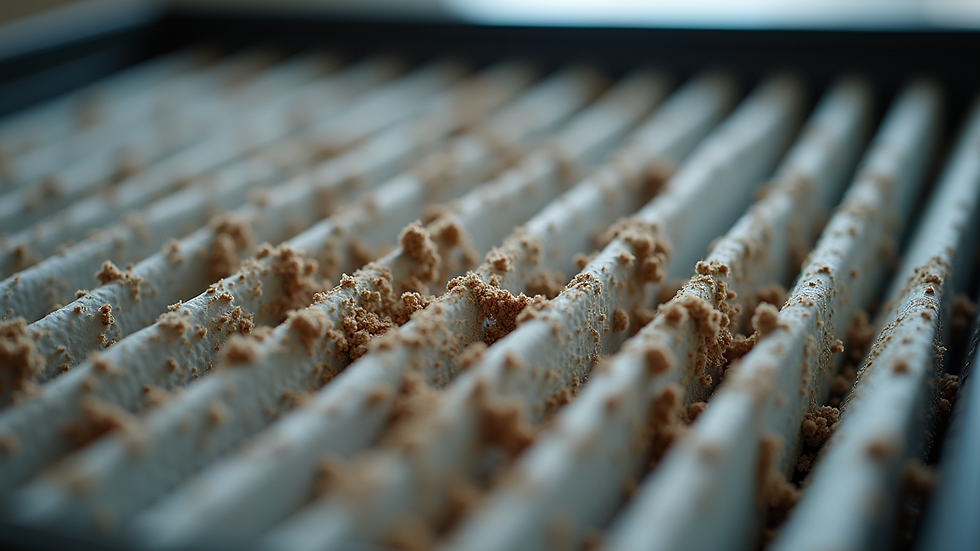
One significant cause of ineffective cooling is dirty air filters. When filters get clogged with dust and debris, airflow is restricted, making it hard for your AC to cool the air effectively. In fact, according to the U.S. Department of Energy, replacing a dirty filter can lower your AC energy consumption by 5 to 15 percent!
To keep your AC functioning well, check your filters regularly and replace them every one to three months, depending on usage. Additionally, consider investing in high-efficiency filters for better airflow and improved indoor air quality.
2. Refrigerant Leaks
Refrigerant leaks are another frequent culprit when your AC is not blowing cold air. Refrigerant is essential for cooling the air inside your unit. If there’s a leak, you'll notice the refrigerant level dropping, which results in inadequate cooling.
If you suspect a leak, contact a professional technician. They can locate and repair the leak, and recharge the system with the correct amount of refrigerant. Handling refrigerant can be complex and may pose safety risks, so it is better left to the experts.

3. Thermostat Issues
Thermostat problems can also lead to your AC’s cooling issues. If a thermostat is malfunctioning or incorrectly set, it won't signal the AC to cool the air efficiently. Studies show that a properly calibrated thermostat can improve energy efficiency by about 10-30%.
To troubleshoot this, ensure the thermostat is set to "cool" and that the temperature setting is lower than your current room temperature. If it remains unresponsive or inaccurate, replacing it with a newer, programmable option might enhance your system’s performance.
4. Blocked Condenser Unit
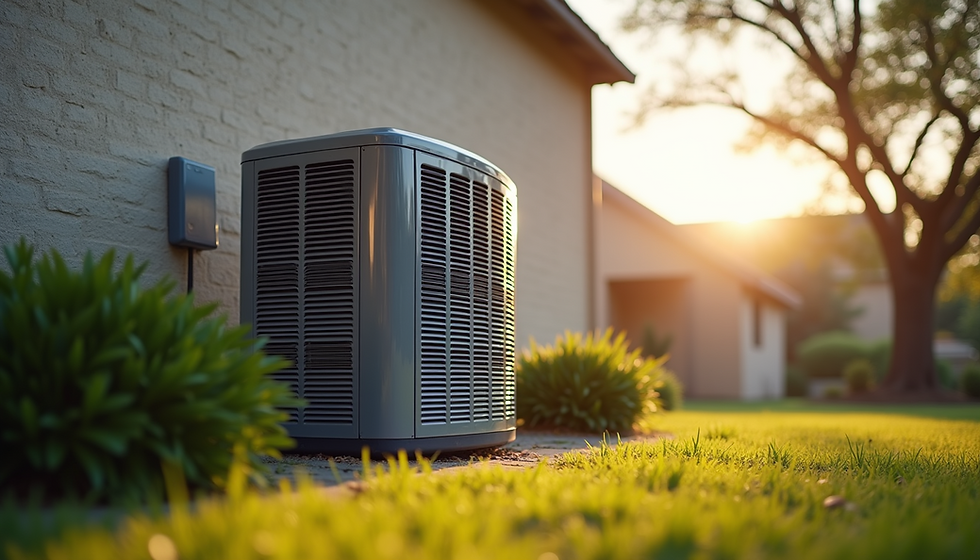
Your outdoor condenser unit plays a crucial role in the overall cooling process. If it’s blocked by debris such as leaves, dirt, or furniture, it can prevent heat expulsion and result in decreased cooling. Keep in mind that around 90% of AC malfunctions can be attributed to improper placement of the unit.
To solve this issue, inspect your condenser unit regularly and remove any obstructions. Ensure that there's at least two feet of clearance around the unit for optimal airflow. Regular cleaning and maintenance of the condenser coils can also help avoid this problem in the future.

5. Electrical Issues
Electrical problems can cause your AC to stop blowing cold air. Issues like blown fuses, tripped circuit breakers, or faulty wiring can interrupt the power supply to your AC, hindering its operation. According to the U.S. Consumer Product Safety Commission, electrical issues account for nearly 30% of HVAC failures.
If you suspect electrical issues, consult a licensed electrician or HVAC professional. They can pinpoint the problem and ensure your AC has the power it needs to function efficiently.
Preventive Measures
To avoid future issues with your AC, consider implementing a regular maintenance schedule. Here are some tips to keep your system running smoothly:
Schedule Annual Inspections: Have a professional technician inspect your AC system at least once a year. They can identify potential problems before they escalate.
Clean the Coils: Dust and debris can accumulate on the condenser coils. Cleaning them regularly can improve efficiency.
Check Ductwork: Ensure that your ductwork is sealed and insulated properly. Leaks can lead to significant energy loss and reduced cooling.
Final Thoughts
Dealing with an AC that won’t blow cold air can be frustrating, particularly during sweltering summer days. By addressing these five common causes—dirty air filters, refrigerant leaks, thermostat issues, blocked condenser units, and electrical problems—you can take proactive steps to troubleshoot and repair your AC.
Regular maintenance and timely repairs are essential for keeping your AC running smoothly. If you’re unsure about any issues, contact a professional for help. Remember, staying cool and comfortable throughout the warm months ahead is possible with a little effort and attention.
If you need assistance, don't hesitate to reach out to a trusted HVAC service provider. They can help ensure your system is in top shape and ready to handle the heat.


Comments