


Essential Tips for Troubleshooting Your HVAC System

A malfunctioning HVAC system can quickly turn your home into an uncomfortable space. When your heating or cooling stops working properly, it’s tempting to call a professional immediately. But many common HVAC problems can be diagnosed and fixed by homeowners with some basic knowledge. Learning how to troubleshoot your HVAC system not only saves money but also helps you avoid unnecessary repairs and downtime.
This guide offers practical HVAC repair tips and clear steps to identify and solve common issues. Whether your system won’t turn on, is making strange noises, or isn’t cooling or heating effectively, these tips will help you get started.
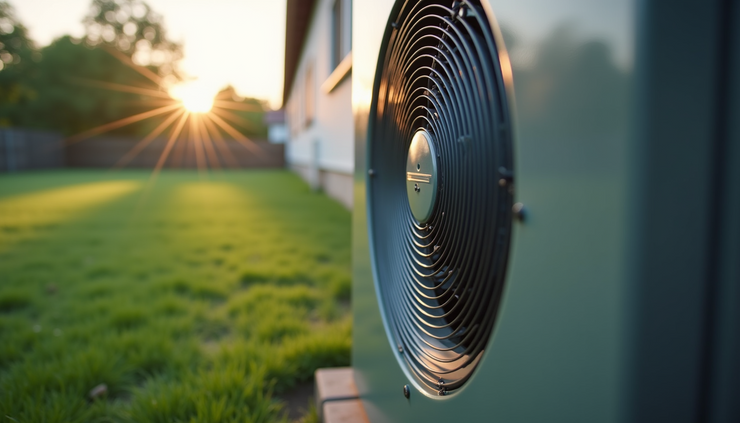
Residential HVAC outdoor unit showing condenser coils and fan
Check the Power Supply First
Many HVAC problems start with simple power issues. Before diving into complex troubleshooting, confirm that your system is receiving power.
Check the circuit breaker: HVAC units often have dedicated breakers. If tripped, reset it and see if the system powers on.
Inspect the thermostat: Ensure it’s set to the correct mode (heat or cool) and the temperature is set properly.
Look for a blown fuse: Some units have fuses near the disconnect box. Replace any blown fuses with the same rating.
If the system still doesn’t respond, the problem might be electrical and require professional attention.
Clean or Replace Air Filters Regularly
Dirty air filters are a common cause of poor HVAC performance. Clogged filters restrict airflow, forcing the system to work harder and reducing efficiency.
Check your filter every month during heavy use seasons.
Replace disposable filters or clean reusable ones according to manufacturer instructions.
Using a clean filter can improve airflow and prevent overheating or freezing of components.
Regular filter maintenance is one of the easiest HVAC repair tips to keep your system running smoothly.
Inspect the Outdoor Unit
The outdoor condenser unit plays a crucial role in cooling. Dirt, leaves, and debris can block airflow and cause the system to overheat.
Remove any debris around the unit.
Clean the condenser coils gently with a garden hose (avoid high pressure).
Trim back plants or bushes at least two feet from the unit to ensure proper ventilation.
A clean outdoor unit helps maintain efficient cooling and prevents many HVAC problems.
Listen for Unusual Noises
Strange sounds often indicate mechanical issues inside your HVAC system.
Banging or clanking may mean loose or broken parts.
Squealing or grinding often points to motor or belt problems.
Rattling can be caused by debris or loose panels.
If you hear persistent unusual noises, turn off the system and schedule a professional inspection to avoid further damage.
Check the Thermostat Settings and Batteries
Sometimes the problem lies in the thermostat rather than the HVAC system itself.
Confirm the thermostat is set to the correct mode and temperature.
Replace batteries if the thermostat display is dim or unresponsive.
Consider upgrading to a programmable thermostat for better control and energy savings.
Proper thermostat function is key to effective HVAC troubleshooting.
Examine Air Vents and Ductwork
Blocked or leaking ducts reduce airflow and cause uneven heating or cooling.
Make sure all vents are open and unobstructed by furniture or curtains.
Look for visible damage or disconnected ducts in accessible areas like basements or attics.
Seal leaks with duct tape or mastic sealant to improve efficiency.
Good airflow through vents and ducts ensures your HVAC system works as intended.
Reset the System
Sometimes, resetting your HVAC system can clear minor errors.
Turn off the thermostat.
Switch off power to the HVAC unit at the breaker.
Wait 5 minutes, then restore power and turn the thermostat back on.
This simple step can resolve issues caused by temporary glitches.
When to Call a Professional
While many HVAC problems can be troubleshot at home, some require expert care.
Electrical issues beyond resetting breakers or replacing fuses.
Refrigerant leaks or low refrigerant levels.
Compressor or motor failures.
Persistent or worsening noises.
System not heating or cooling despite basic troubleshooting.
Calling a licensed HVAC technician ensures safe and effective repairs.


Comments